No child should be the test subject for products made for children.
So I want to raise AI twins from age one into toddlers, and try ideas on them first.
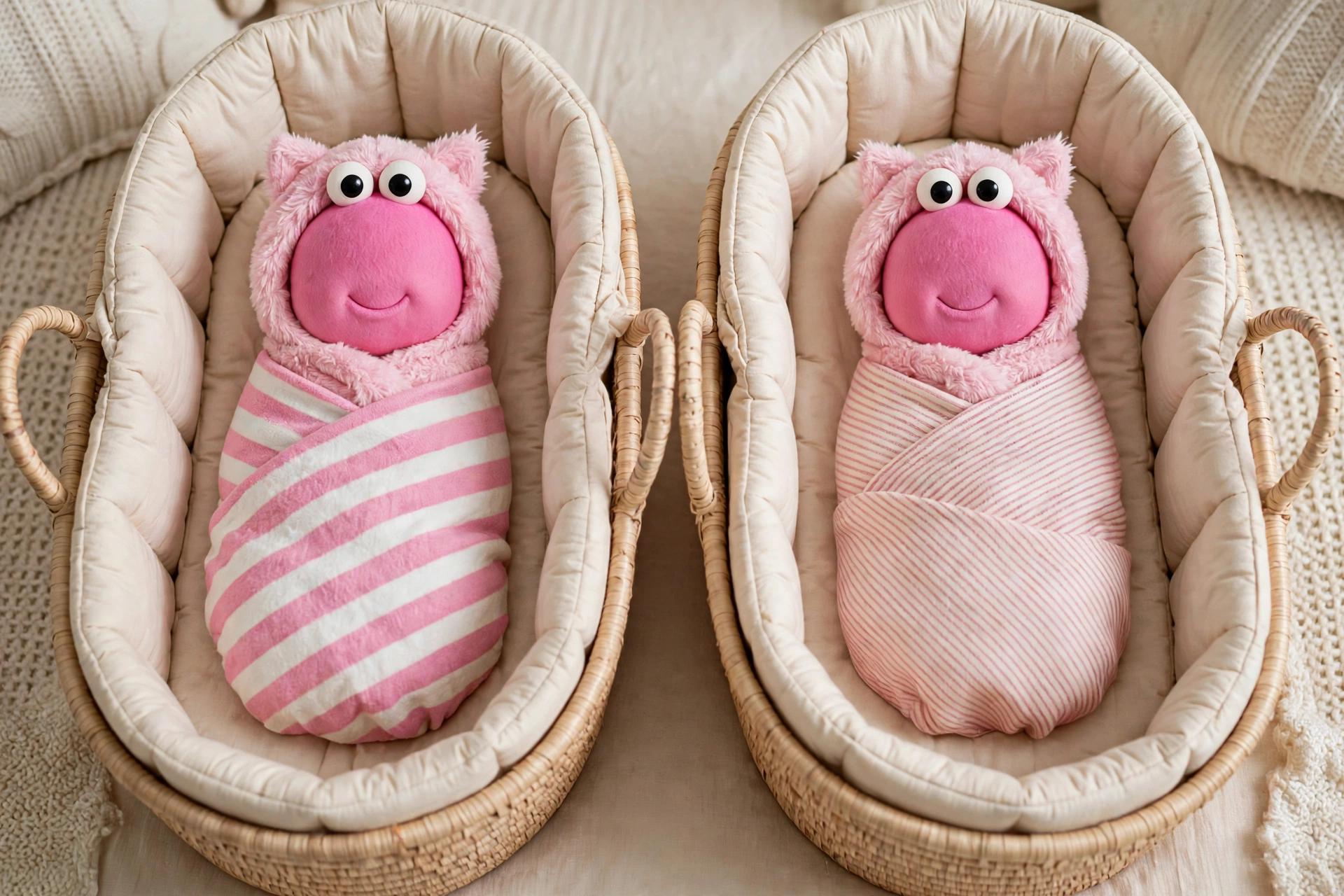
Reversing who learns from whom
Apps, toys and AI tutors for young children are usually tested on young children. The children carry the risk of every early version that doesn't work.
ToddlerLM puts an AI child in that seat. Educators can watch how it grows, and see which words stick and how much repetition helps, before a real child ever meets the product.
Children learn by teaching. One day they could teach the twins, once the twins have shown it is safe.
That later step draws on learning by teaching (the protégé effect) and on Papert's constructionism, where a child learns by building something others can see. Here the thing built would be a baby's language. Until then, no child is involved at all.
In 2025 I wrote about AI nurturing and surrogate caregivers, and about helping kids nurture synthetic intelligence. My thinking has evolved since then, after working with experts in the field. ToddlerLM is where it went next.
One baby, two upbringings
One small language model learns a shared first year of speech, the kind of talk babies hear. At the first birthday it is copied into twins. From then on, each twin learns only from the speech directed to it.
Adult volunteers talk to it through a phone, by voice and camera, on shifts. There is no text box. The volunteers are adults with no young children at home.
Synthetic caregivers, modelled by AI, run its day on a visible timetable of circle time, play and story time.
Both twins learn from the same curriculum. We will develop original content for this study that is age-appropriate and designed for learning, and each new piece reaches both twins at the same time.
One outcome we can picture
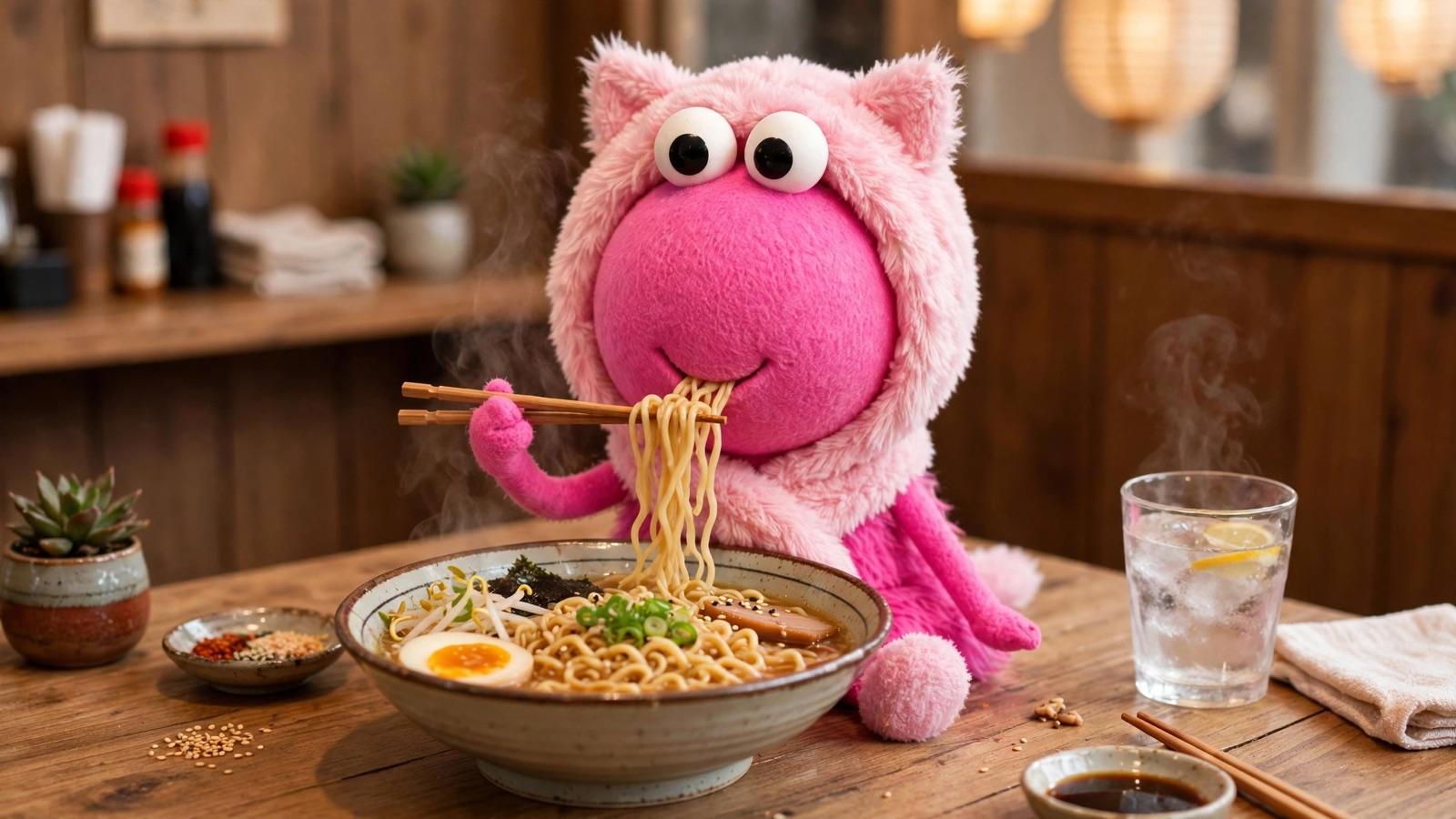
Mana the toddler, who loves noodles
Talking in short sentences, and asking for more.
The other twin
We don't know yet. Finding out is the study.
A model can learn words from one child's life
In 2024, a team at NYU trained a model on 61 hours of headcam video from a single child, aged six months to two years. It learned to match many everyday words to the things they name.
That work needed a real child's camera. ToddlerLM asks what happens with no child in the loop, and whether the people who raise a model change what it becomes.
Vong, Wang, Orhan and Lake, “Grounded language acquisition through the eyes and ears of a single child,” Science 383 (2024).
What the twins will miss
A real baby learns language in someone's arms. They follow a parent's gaze to the thing being named, they are held when they cry, and they sleep, which is when the day's learning settles. The twins will have none of this. The human-raised twin hears its volunteers through a phone, and its sleep is a night of training on a computer.
The twins also never hear a voice. Adults talk to babies in a sing-song voice, and that melody helps babies pick out words. The twins receive what was said as text, so the melody never reaches them. Other work on how people connect through voice is underway here at Manaboodle. Stay tuned.
These limits weigh most on the twin raised by people, because gaze, touch and voice are what human caregivers give and AI caregivers cannot. Research on infants suggests babies learn more from speech in live interaction than from the same speech on a screen. The human-raised twin may learn less from its caregivers than a child would.
Both twins share these limits, so the comparison between them stays fair. What it cannot tell us is how a real child would do. ToddlerLM is a step before studies with children, and it does not replace them.
Where we are
Design and characters Done
The twin design, the safeguards and the Mana Babies.
The technical build Next
Designing the system: the phone app volunteers use, and the server behind it that keeps each twin's record and trains the twins each night. This runs alongside the curriculum work.
The curriculum Next
Designing the curriculum and its teaching modules, age-appropriate and built for learning. It starts with the first year of speech the baby hears before it becomes twins.
The first birthday
Train the baby model from scratch and copy it into twins. It is small enough to run on an iPhone.
A pilot with adult volunteers
The human twin's first caregivers, recruited with consent, ideally through a research study.
Watching them grow
Words heard each day, new words learned and phrase length, compared at matched ages.
If you study how young children learn and this interests you, I'd like to talk.